What Is a Virtual Bank Account? Definition, Benefits & How It Works
Learn what a virtual bank account is, how it works, and why more users are switching to online virtual bank accounts. Discover key features, types, and how to open one.
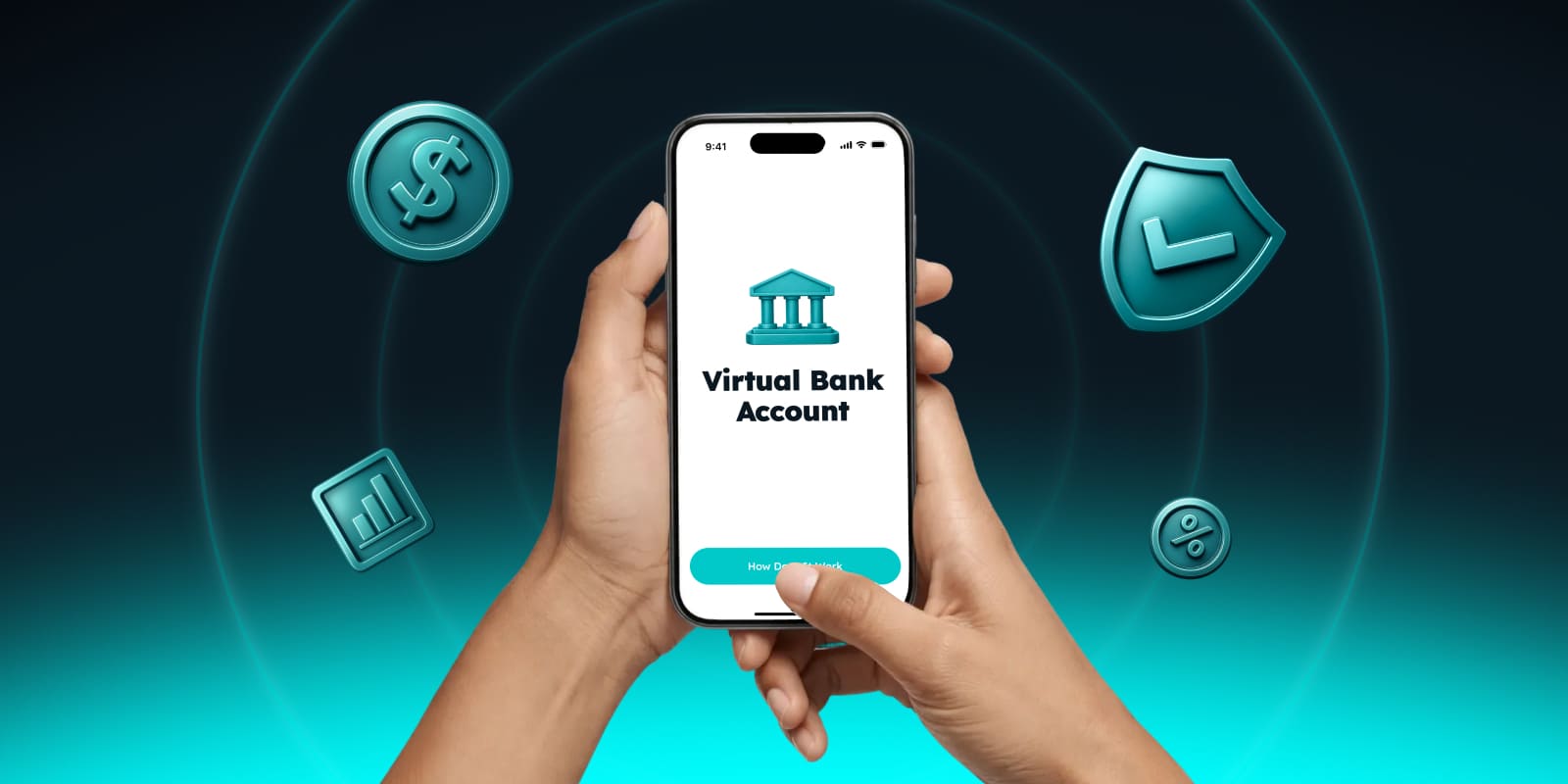
What Is a Virtual Bank Account and How Does It Work?
Let’s face it — traditional banking hasn’t kept up with how we actually live. Whether you’re working remotely, getting paid online, or managing your finances on the go, standing in line at a branch or filling out endless forms just doesn’t fit anymore. That’s why more people are turning to virtual bank accounts — a modern way to manage money, without the old-school hassle.
A virtual bank account works similarly to a regular account — but fully online. You can open one in minutes from your phone or laptop, then start sending, receiving, and holding money right away. Many accounts even come with international features like IBANs, SWIFT codes, or a virtual debit card, so you can get paid from anywhere or spend globally — no paperwork, no physical branch, no waiting.
These accounts are built for today's needs. If you're a freelancer billing clients abroad, a digital nomad hopping between countries, or someone tired of high fees and clunky apps, an online virtual bank account gives you more control, flexibility, and speed. Everything you need is in your pocket, ready when you are.
You can open a virtual account, receive international payments, and sometimes access rewards or perks offered by the provider — while retaining day-to-day control over your account. In this guide, we’ll break down exactly how virtual bank accounts work, what to expect, and how to choose the one that fits your lifestyle.
What Is a Virtual Bank Account?
A virtual bank account is a digital-only account that lets you send, receive, and hold money — all without stepping into a physical bank. It looks and behaves similarly to a traditional bank account for everyday use, but everything happens online. That means no lines, no paperwork, and no banking hours — with round-the-clock access to account features.
Unlike traditional banks, virtual accounts are typically opened through apps or web platforms. They come with many of the same features you’d expect — like account numbers, IBANs, and even debit cards. You can receive payments, set up direct deposits, pay bills, or make purchases — all from one sleek, mobile-first interface.
Some online virtual bank accounts also offer multi-currency balances, virtual cards, or integrations with popular financial tools. That makes them especially useful for remote workers, creators, travellers, or digital nomads managing finances across borders.
In short, if you’ve ever wondered what a virtual bank account is, think of it as a smarter, faster version of a bank — one that fits in your pocket and works the way you do.
How Virtual Accounts Work
Setting up a virtual banking account is simple. No appointments, no branches — just download an app, complete a quick identity check (KYC), and your account is ready to go. It can often be completed within minutes, depending on verification requirements.
Once verified, you can:
- Receive payments locally or internationally (some accounts include IBAN/SWIFT numbers)
- Send money to others, whether in the same country or abroad
- Hold balances in one or more currencies
- Get a debit card linked to your virtual account for everyday spending
Behind the scenes, virtual accounts use licensed financial infrastructure or regulated partner institutions and encrypted systems to keep your data and funds secure. Many operate under e-money licenses or partner with regulated institutions — giving you real capabilities, without the traditional setup.
Types of Virtual Accounts
Not all virtual bank accounts are created equal — and that’s a good thing. Depending on your lifestyle or business needs, there’s a virtual banking format tailored just for you. Here’s a quick breakdown of the most common types:
Personal virtual accounts
- Ideal for everyday use — like managing subscriptions, receiving payments, or storing savings. These are perfect for individuals who want more control and flexibility without the limits of traditional banks.
Business virtual accounts
- Built for freelancers, digital nomads, startups, and remote teams. These accounts help separate business finances, handle multi-client invoicing, and often include bulk payout or payroll features.
Multi-currency virtual accounts
- Let you hold, receive, and convert funds in different currencies. Great for global earners who get paid in EUR, USD, GBP, or beyond — without the sting of constant conversion fees.
Virtual accounts with debit cards
- Some platforms offer a virtual bank account with a debit card attached. This means you can spend your balance online or in stores instantly — no need to transfer funds elsewhere.
Hybrid virtual accounts
- These new solutions don’t fit neatly into traditional banking or virtual account models. They combine the everyday simplicity of a personal virtual bank account, the flexibility of multi-currency tools, and greater user control and flexibility compared to traditional banking products — all in a single experience.
Key Benefits of Virtual Bank Accounts
So why are more people switching from traditional banks to virtual bank accounts? Because they’re faster, cheaper, and built for how we live and work.
Instant Setup
No branch visits. No printed forms. You can open a virtual bank account from your phone in minutes — ID verified, ready to use.
Lower Fees & Faster Transfers
Virtual accounts reduce many of the delays and markups typical of legacy systems. That means fewer hidden fees, often lower FX markups compared to traditional banks, and faster transactions compared to many legacy banking systems.
Global Access, Multi-Currency Control
Whether you're travelling, freelancing, or getting paid internationally, you can hold and send money across currencies with ease.
Modern Features That Work for You
From mobile notifications to card freezing, cashback perks, and savings tools, many online virtual bank accounts are built for flexibility.
How to Choose a Virtual Bank Account
Choosing the best virtual bank account depends on your needs — and knowing what to look out for can save you time, money, and future headaches.
Here’s a simple checklist to guide your decision:
Security
Look for strong encryption, passkey or biometric login, anda provider that is regulated or operates under licensed financial partners. Your funds and data should never be at risk.
Features
Need a virtual bank account with a debit card? Want to earn interest or manage multiple currencies? Pick a platform with tools that match your lifestyle.
Fees
Watch for sneaky charges. Some virtual banks still charge for foreign currency transfers, card usage, or inactivity. Transparent pricing is a must.
Global Access
If you earn or spend internationally, make sure your account supports cross-border use and common currencies like USD, EUR, GBP, etc.
User experience
Smooth interface. Real-time support. Fast onboarding.
No bank dependency
Some users prefer financial tools that don’t rely on a traditional bank to store or control their balance. Some modern self-custodial financial tools replicate certain everyday features of virtual accounts — global spending, smooth transfers, everyday usability — without functioning as a bank or taking custody of your funds. You remain the full owner of your assets at all times.
Virtual Bank Accounts vs Traditional Bank Accounts
Still stuck with a legacy bank? Let’s compare. The way we manage money has changed — and virtual bank accounts are designed to match today’s mobile-first, global lifestyle. Here’s how they stack up side by side:
| Traditional Bank Accounts | Virtual Bank Accounts |
|---|---|
| Paperwork, appointments, slow onboarding | Fast signup through an app — usually minutes, without branch visits. |
| Requires branch visits or phone support | Easy 24/7 access through a mobile app, without relying on branch hours. |
| Higher fees, FX charges, and minimum balance rules | Often lower fees and more competitive FX rates, depending on the provider. |
| Often tied to your local country or currency | Many platforms offer multi-currency support and global usability — ideal for digital work. |
With virtual bank accounts, you don’t just skip the paperwork — you get a full financial toolkit with real-time access, cashback, and total freedom. It’s not just better. It’s banking made modern.
Are Virtual Bank Accounts Safe?
Yes — virtual bank accounts are safe, especially when you choose a platform that’s built with modern security in mind. Trusted providers use end-to-end encryption to protect your data and transactions, while biometric login (like Face ID or fingerprint) ensures only you can access your account. Many also implement passkey authentication, which is stronger than traditional passwords and significantly more resistant to phishing and credential theft.
Safety also depends on regulation and transparency. Look for platforms that operate under financial oversight or comply with KYC (Know Your Customer) and AML (Anti-Money Laundering) rules. These safeguards help ensure your account isn't just secure — it operates within applicable regulatory frameworks. For example, some providers issue IBANs or virtual cards through licensed banking partners, offering an extra layer of accountability.
Virtual Bank Accounts vs Zeal: What’s the Real Difference?
Virtual bank accounts modernise traditional banking — faster onboarding, global access, multi-currency tools, and fewer fees. They’re great for freelancers, travellers, and anyone tired of slow legacy systems. But they’re still bank accounts: your money sits with a financial institution, transfers follow banking rails, and your freedom depends on the provider’s rules.
Zeal works differently. It’s not a virtual bank account and not a standard smart wallet.
Zeal belongs to a new category — a self-custodial financial solution where you stay the owner of your assets at all times, while still enjoying the everyday usability of modern fintech.
Here’s how Zeal stands apart:
1. You Stay in Full Control of Your Money
Virtual bank accounts store your funds with a bank or e-money provider. Zeal does not hold customer assets — users retain direct control over their assets. Your balance is self-custodied, protected by biometric Passkeys rather than passwords or seed phrases.
2. Built-In High-Yield Earnings (Up to ~5% APY)
Virtual accounts help you manage money, but they don’t grow it. Zeal boosts idle cash using secure DeFi mechanisms, compounding every second with flexible access, subject to protocol conditions.
3. Spend Globally With zero FX markup
Most virtual banks charge for foreign transactions or add FX markups. Zeal’s Visa card comes with no additional FX markup applied by Zeal.
4. No Seed Phrases, No Password Fatigue
Smart wallets often require manual backups or phrases. Zeal uses biometric Passkeys backed to your cloud, so losing your device doesn’t mean losing your funds.
FAQ Section
1. Can virtual accounts hold balances?
Yes. Most virtual bank accounts support storing funds, often in multiple currencies like USD, EUR, or GBP.
2. Why do I need a virtual bank account?
For faster, cheaper, and borderless money management — perfect for freelancers, global teams, and anyone tired of bank fees.
3. Can businesses open virtual bank accounts?
Absolutely. Many platforms support business use with tools for payouts, invoicing, and global operations.
4. Does a virtual account come with a debit card?
Many do. Some virtual bank accounts include a virtual or physical debit card, allowing you to spend your balance online, in-store, and, in some cases, withdraw cash at ATMs, depending on the provider and region.
Conclusion
We’re in a new era of money, and virtual bank accounts are leading the shift. No more branches, no more borders, no more slow legacy systems. You get instant access, global flexibility, and full-speed control right from your phone.
But virtual accounts still belong to the banking system. A self-custodial tool works differently: it offers the same digital convenience without a bank storing or controlling your funds. This is the main difference.
Disclaimer: This content is for informational purposes only and does not constitute financial, legal, or investment advice. Features, fees, yields, and availability of virtual bank accounts or financial products may vary by provider, jurisdiction, and market conditions. Returns are not guaranteed, and users should conduct their own research before making financial decisions. Always review official terms and consult a qualified professional if needed.
%20(1).jpg)